


Modern healthcare AI needs clinical governance
These pages now connect CTI's research lineage with Regenemm's current clinical AI infrastructure, trust, documentation and care coordination work.
From early wellbeing concepts to clinical systems
The original campaign focused on stress performance, biometric signals and psychometric feedback. The current work is broader: governed healthcare AI that supports clinicians, patients, documentation, coordination and audit-ready workflows.
The through-line remains careful human performance work, but the implementation standard is now healthcare-grade: clinical review, provenance, consent, privacy, security and measurable product quality.


Where this work now points
Use these refreshed pages as topical gateways into today's CTI and Regenemm work: clinical communication, secure AI documentation, patient clarity, consent-first sharing and responsible automation.
Prediction must become accountable care support
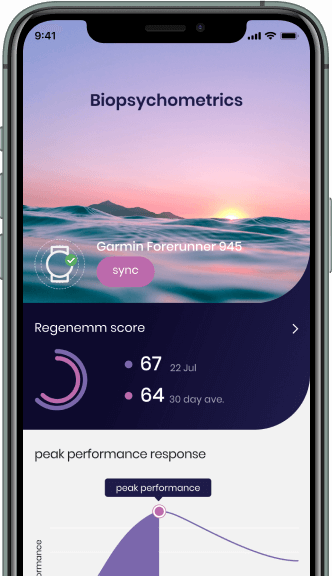
This page updates the original stress-performance and personal insight campaign. Since 2020, healthcare AI has shifted toward workflow-grounded LLMs, evaluation harnesses, retrieval, provenance and explicit limits on what prediction can safely do.

Updated from 2020
The older page imagined personal predictive insight. The current update treats prediction as one component inside governed clinical workflow support.

Evaluation before trust
AI-supported predictions need test sets, regression checks and failure-mode analysis before they influence healthcare workflows.

LLMs changed the context
Modern systems can reason across clinical conversations, documents and structured context, but that makes evaluation, grounding and review more important, not less.

Explainable context
Clinicians and patients need to understand the source context, confidence limits and practical meaning of AI-supported outputs.

Workflow integration
Predictive insight is only useful when it helps documentation, follow-up, coordination or communication in a real clinical pathway.

Not a replacement clinician
Regenemm's direction is support infrastructure for clinical judgement, not autonomous diagnosis or unchecked treatment recommendation.
Retrieval and provenance
Current predictive workflows should show what material shaped an output, what was retrieved, what was generated and what a clinician approved.