

CTI Research Series
Symptoms, Signs, Imaging, Results: The Evidence Of Change
Clinical state is inferred from multiple evidence streams. The task is to understand what those streams reveal about change.
Dr Brendan O'Brien26 May 2026

Clinical state is inferred from multiple evidence streams. The task is to understand what those streams reveal about change.
Follow the main CTI writing pathways across healthcare AI, governance and clinical workflow.
How CTI thinks about AI that supports clinicians, patients and care teams without replacing clinical judgement.

Australian healthcare AI should be evidence-seeking, consent-aware, clinically reviewed and built close to real care.

Neurosurgical consultations are a demanding stress test for clinical AI because they combine imaging, examination, protected facts, irreversible decisions and medico-legal weight.

Healthcare AI earns trust through evidence, traceability, consent, monitoring, validation and human review.
Consent, provenance, clinician review, protected facts and audit trails for healthcare AI that has to be defensible.

Clinician-in-the-loop AI only means something when review is designed as a real safety gate with protected facts, audit trail and clinician authorship.

Healthcare AI needs consent that is understandable, specific and respected technically, not just legally.

The Regenemm Hub gives clinical workflows coherence while spokes preserve the specificity of real care.
The practical documentation, patient-summary and care-output problems that Regenemm Voice is being built to support.

A clinical consultation is a decision-making, documentation, safety and obligation event. Treating it as a transcript problem misses the work clinicians actually owe.

Transcription turns speech into text. Clinical documentation turns a consultation into structured, clinician-authored records that can be acted on, shared and defended.
Patients forget much of what is discussed after consultations because stress, density, jargon and lack of consolidation work against recall.
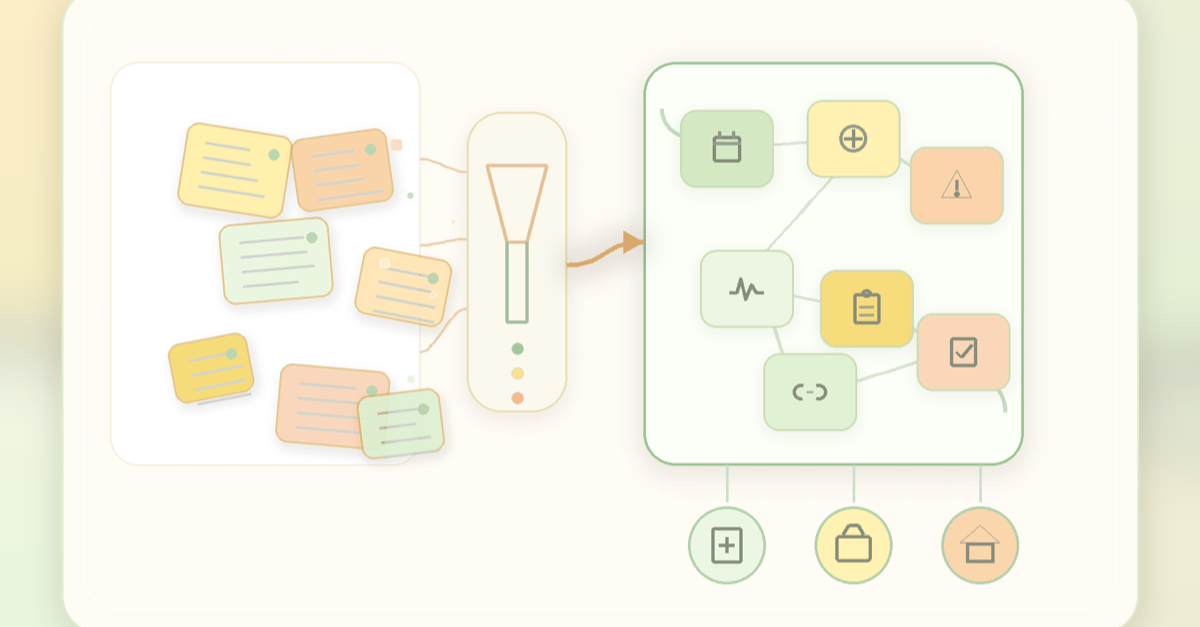
Narrative notes preserve nuance, but clinical intent needs structured FHIR pathways to travel across teams, systems and care settings.
Neurosurgical consultations are a demanding stress test for clinical AI because they combine imaging, examination, protected facts, irreversible decisions and medico-legal weight.
Clinician-in-the-loop AI only means something when review is designed as a real safety gate with protected facts, audit trail and clinician authorship.
Patients forget much of what is discussed after consultations because stress, density, jargon and lack of consolidation work against recall.
Australian healthcare AI should be evidence-seeking, consent-aware, clinically reviewed and built close to real care.
Transcription turns speech into text. Clinical documentation turns a consultation into structured, clinician-authored records that can be acted on, shared and defended.