


Modern healthcare AI needs clinical governance
These pages now connect CTI's research lineage with Regenemm's current clinical AI infrastructure, trust, documentation and care coordination work.
From early wellbeing concepts to clinical systems
The original campaign focused on stress performance, biometric signals and psychometric feedback. The current work is broader: governed healthcare AI that supports clinicians, patients, documentation, coordination and audit-ready workflows.
The through-line remains careful human performance work, but the implementation standard is now healthcare-grade: clinical review, provenance, consent, privacy, security and measurable product quality.


Where this work now points
Use these refreshed pages as topical gateways into today's CTI and Regenemm work: clinical communication, secure AI documentation, patient clarity, consent-first sharing and responsible automation.
From health signals to clinical context
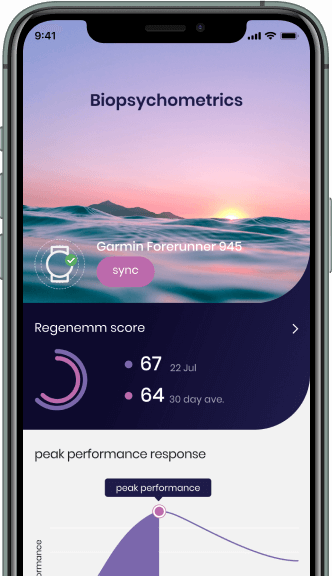
This updated page keeps the early HRV and biometric signal work as part of the Regenemm lineage, while reflecting what is now clearer in 2026: clinical AI is strongest when signal interpretation is tied to documentation, review, provenance, consent and auditable care workflows.

Updated from 2020
In 2020 the emphasis was on biometric and psychometric inputs. The newer insight is that those inputs are only one layer in a broader clinical context system.

Clinician-reviewed outputs
Current Regenemm work prioritises outputs that clinicians can review, correct, approve and trace rather than opaque recommendations.

Multimodal context
Current healthcare AI can combine conversation, documents, images, structured records and patient communication context in ways that were not realistic in the original campaign period.

Documentation support
Health data should help reduce documentation burden while preserving provenance, patient clarity and accountable clinical records.

AI evaluation
Model-supported workflows need regression testing, quality checks and failure-mode review before they can be trusted in healthcare delivery.

Practical infrastructure
The goal is not a wellness novelty. It is durable clinical AI infrastructure that can support real care coordination and audit.