


Modern healthcare AI needs clinical governance
These pages now connect CTI's research lineage with Regenemm's current clinical AI infrastructure, trust, documentation and care coordination work.
From early wellbeing concepts to clinical systems
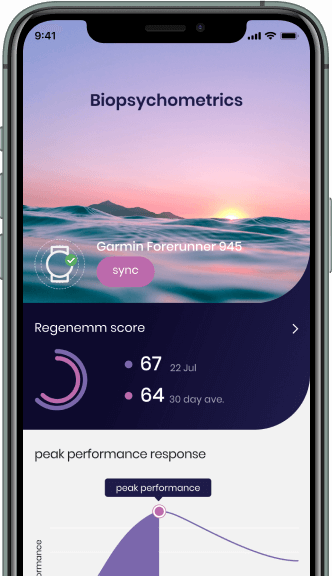
The original campaign focused on stress performance, biometric signals and psychometric feedback. The current work is broader: governed healthcare AI that supports clinicians, patients, documentation, coordination and audit-ready workflows.
The through-line remains careful human performance work, but the implementation standard is now healthcare-grade: clinical review, provenance, consent, privacy, security and measurable product quality.


Where this work now points
Use these refreshed pages as topical gateways into today's CTI and Regenemm work: clinical communication, secure AI documentation, patient clarity, consent-first sharing and responsible automation.
Privacy is infrastructure, not a feature label
This is an update to the original de-identification page. The older privacy message remains relevant, but current healthcare AI adds newer obligations that were less visible in 2020: model context windows, document provenance, re-identification risk, role-based access and careful control of generated clinical outputs.

Updated from 2020
The original page focused on encryption and de-identification. The current update treats privacy as a full workflow design requirement.

Consent-aware pathways
Sensitive information should be shared through clear, intentional pathways that respect consent, role, purpose and patient expectations.

AI-era re-identification risk
Modern AI systems can connect context across documents, prompts and records, so de-identification must be handled cautiously and reviewed against linkage risk.

Audit trails
Healthcare AI workflows need traceability around source material, generated outputs, human review and final approved records.

Secure handling
Encryption, access control and secure document handling are baseline controls for clinical software, not optional maturity extras.

De-identification with caution
De-identification can reduce risk, but it does not remove governance obligations around context, linkage, re-identification and data use.